5 hr
Tijuca Rainforest Adventure: Waterfalls, Caves & Wildlife
- Entry ticket
- Mobile voucher
- Valid same day
- Free cancellation
Tijuca Forest Hike Tour — Waterfalls, Caves & Peak Trails
Green shade above a loud city, water falling through Atlantic forest.
Compare fares, pick the fit — all bookings are mobile-voucher and eligible for free cancellation where shown.
5 hr
5 hr
6 hr
Planning your tijuca forest hike tour is simple, as general park access is free, allowing you to explore the Atlantic forest trails at your own pace. For specific landmarks or guided experiences, visitors may choose between independent exploration or curated tours to navigate the vast park terrain.
| General Access Self-Guided Hiking |
Top pick Guided Forest Tour Expert-Led Excursion |
|
|---|---|---|
| Entrance Fee | 0 BRL | 0 BRL |
| Access Level | Park Trails & Viewpoints | Full Forest Infrastructure |
| Best Arrival Window | 08:00–10:00 | 08:00–10:00 |
| Primary Focus | Nature & Wildlife | Educational Guided Trails |
| Best for | Budget-minded visitors | First-timers & groups |
| See tickets & prices |
Verdict: For the best experience, first-time visitors should choose a guided tijuca forest hike tour to safely navigate the sprawling trails and discover local flora.
Worth it for guided access, skippable for confident hikers
Park entry to the general area costs 0 BRL, so a tijuca forest hike tour is money spent on a guide, transport and route knowledge — not on the gate. What that buys is real: pickup instead of a slow climb up Alto da Boa Vista, a guide who can name the bromeliads and spot capuchins and toucans in the Atlantic Forest canopy, and trails to waterfalls, caves and hidden paths that are poorly signed and easy to lose. The listed options split cleanly — the 4x4 waterfall run suits low-effort visitors, while the Challenge Hike and peaks routes reward people who want gradient. It pays off if you have two or three days in Rio, no car and no Portuguese. Independent hikers with time, a map and decent legs can walk Cascatinha and Pico da Tijuca on their own for nothing.
Bottom line: Book the Rio rainforest tour if you value a guide's eyes and a lift to the trailhead; walk it yourself if you have a free morning and no fear of unmarked paths.
They complement each other; most visitors who do both call Christ the Redeemer the must-see landmark and a rainforest trek the more immersive nature experience.
|
Top pick Tijuca Forest Hike |
Christ the Redeemer | |
|---|---|---|
| Focus | Nature and biodiversity exploration | |
| Primary Activity | Guided rainforest trekking | |
| Access | Hiking trails and park roads | |
| Average Duration | 4–6 hours | |
| Entrance Fee | 0 BRL (general area) | |
| Best Time to Visit | 08:00–10:00 (summer) | |
| Vibe | Quiet, rugged, and adventurous | |
| Top Sight | Taunay Waterfall and peaks | |
| See tickets & prices |
Verdict: Choose the tijuca forest hike tour if you want to explore the world's largest urban rainforest, but prioritize Christ the Redeemer if your schedule only allows for Rio's most iconic landmark.
Hand-picked experiences loved by thousands of travelers
9 hours
Free Cancellation
Conquer 10.4km of trails through urban jungle, reaching peaks, caves, and waterfalls on this adventurous trek
4 hours
Free Cancellation
Explore the world's largest urban rainforest by open-top jeep with waterfalls, wildlife, and panoramic views
4.5 hours
Free Cancellation
Journey into the world's largest urban forest with waterfalls, caves, and stunning city vistas
5 to 5.5 hours
Free Cancellation
Explore the world's largest urban reforested jungle with a small group of just seven adventurers
4.5 hours
Free Cancellation
Trek through the world's biggest urban rainforest to hidden waterfalls and ancient caves
5 hours
Free Cancellation
Scale Rio's tallest central peak through lush jungle trails, then cool off beneath a secluded cascade
4 hours
Free Cancellation
Explore the world's largest urban forest by open-top jeep with guided hiking through lush Atlantic rainforest
4 hours
Free Cancellation
Discover Rio's natural wonders from tropical gardens to rainforest trails with panoramic city views
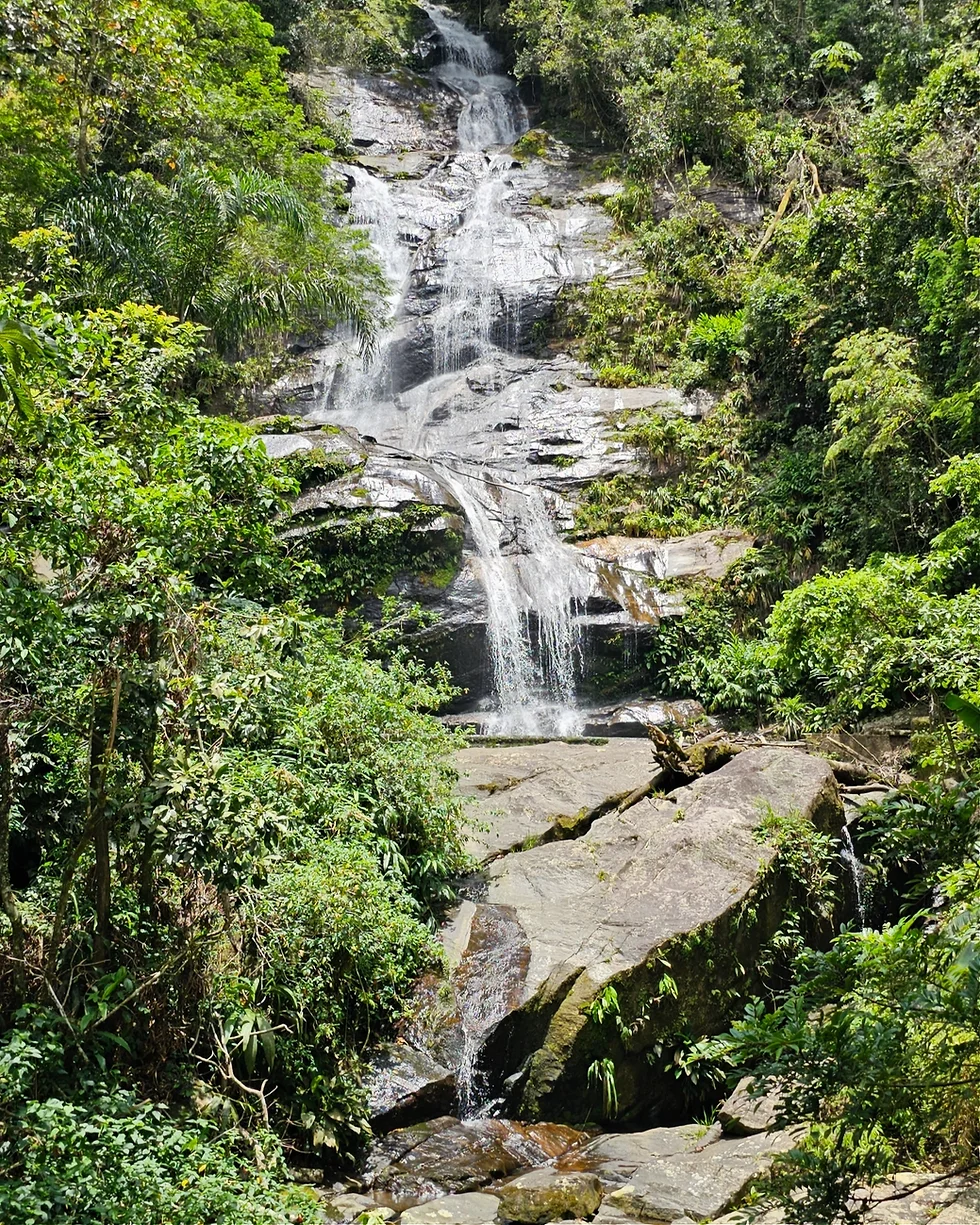
A picturesque 35-meter waterfall that serves as one of the most iconic landmarks in the park. It is a frequent stop on most guided routes
Cascatinha Taunay waterfall
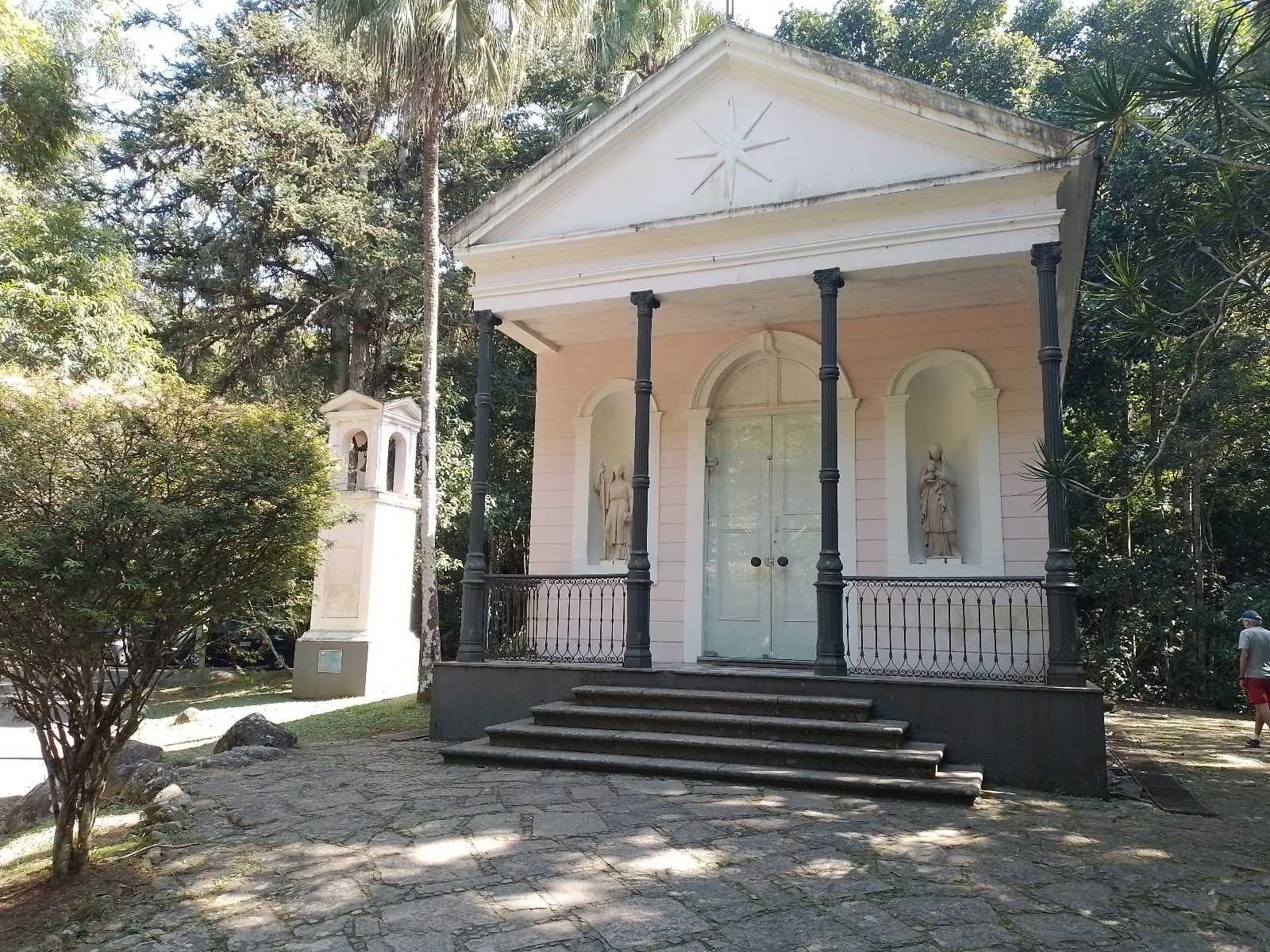
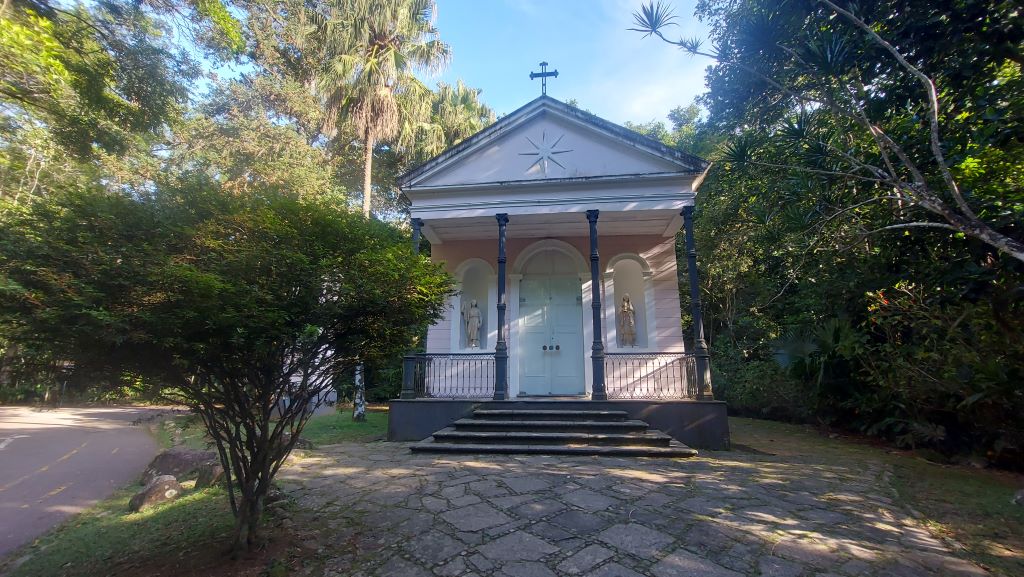
This historic 19th-century chapel features artistic interiors and sits near the primary trail system. It highlights the cultural history preserved within the forest
Capela Mayrink
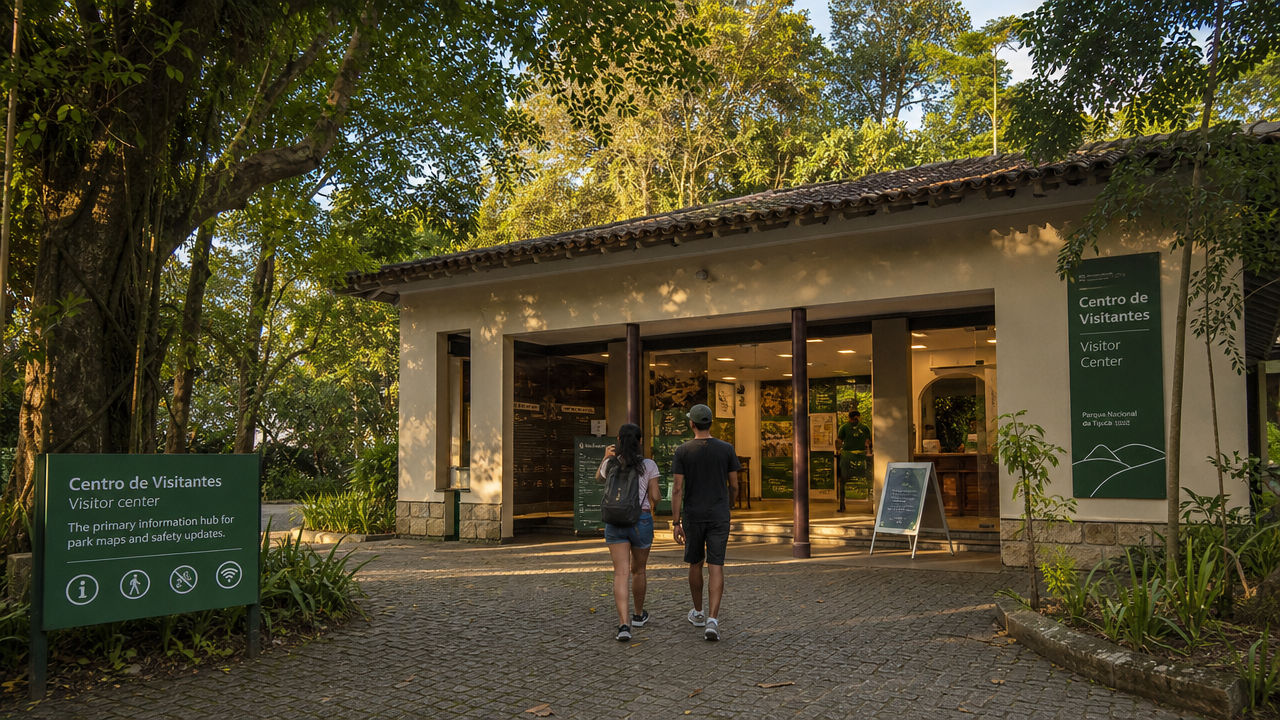
The hub provides essential maps, safety guidance, and information on the park's biodiversity. It is the best place to start your morning
Tijuca visitor center
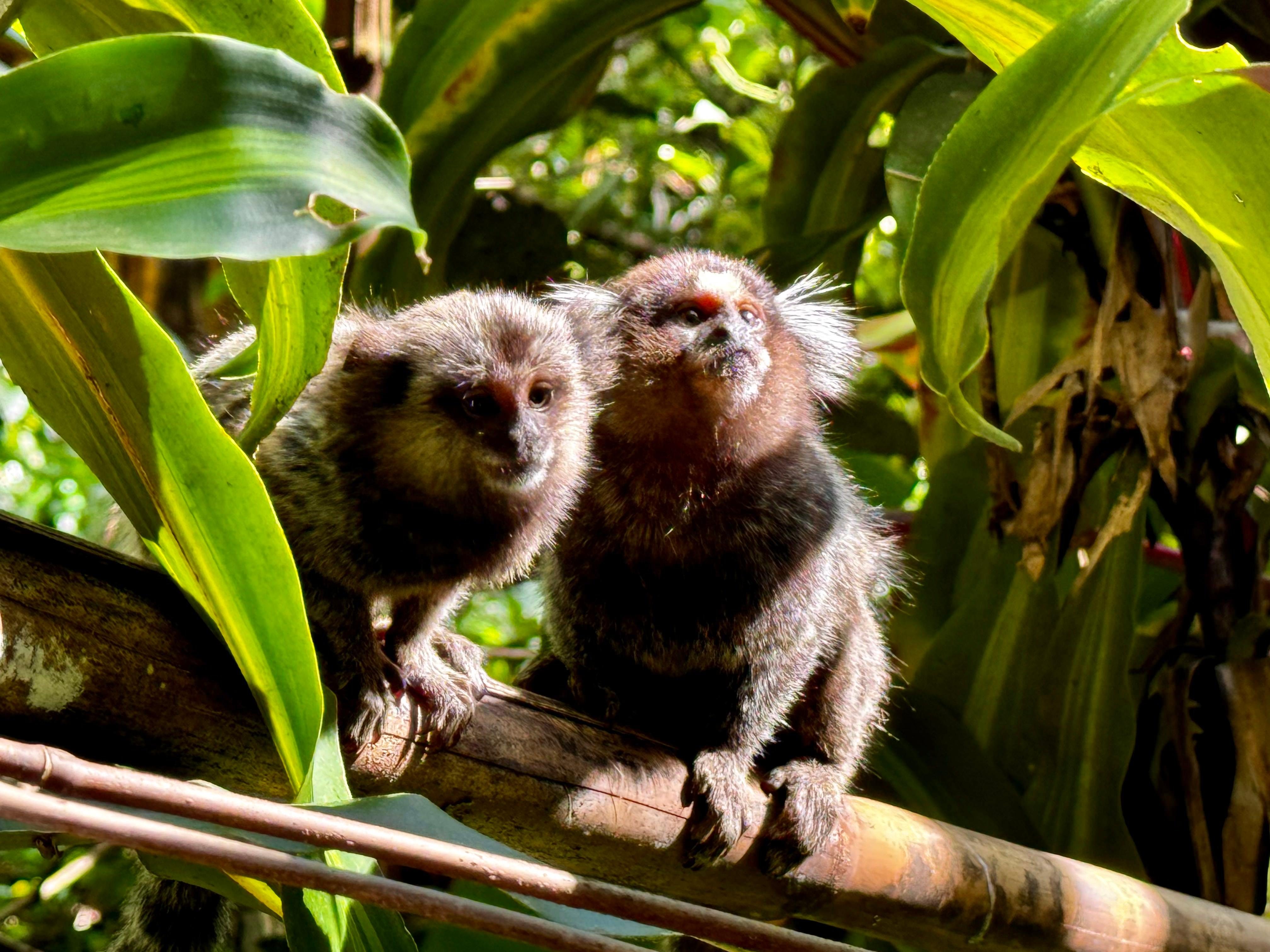
The dense Atlantic Forest provides a vital home to diverse bird species like toucans. Walking beneath these trees is a key feature of the experience
Atlantic Forest flora
This viewpoint offers elevated vistas of the surrounding vegetation and the park interior. It provides an ideal angle for photography enthusiasts
Mirante da Cascatinha
You reach the Alto da Boa Vista gate on Estrada da Cascatinha, 850, ideally between 08:00 and 10:00, when the air under the canopy is still cool and the howler monkeys are loudest. Entry to the general park area costs 0 BRL. Your guide checks boots, hands out water, and points uphill.
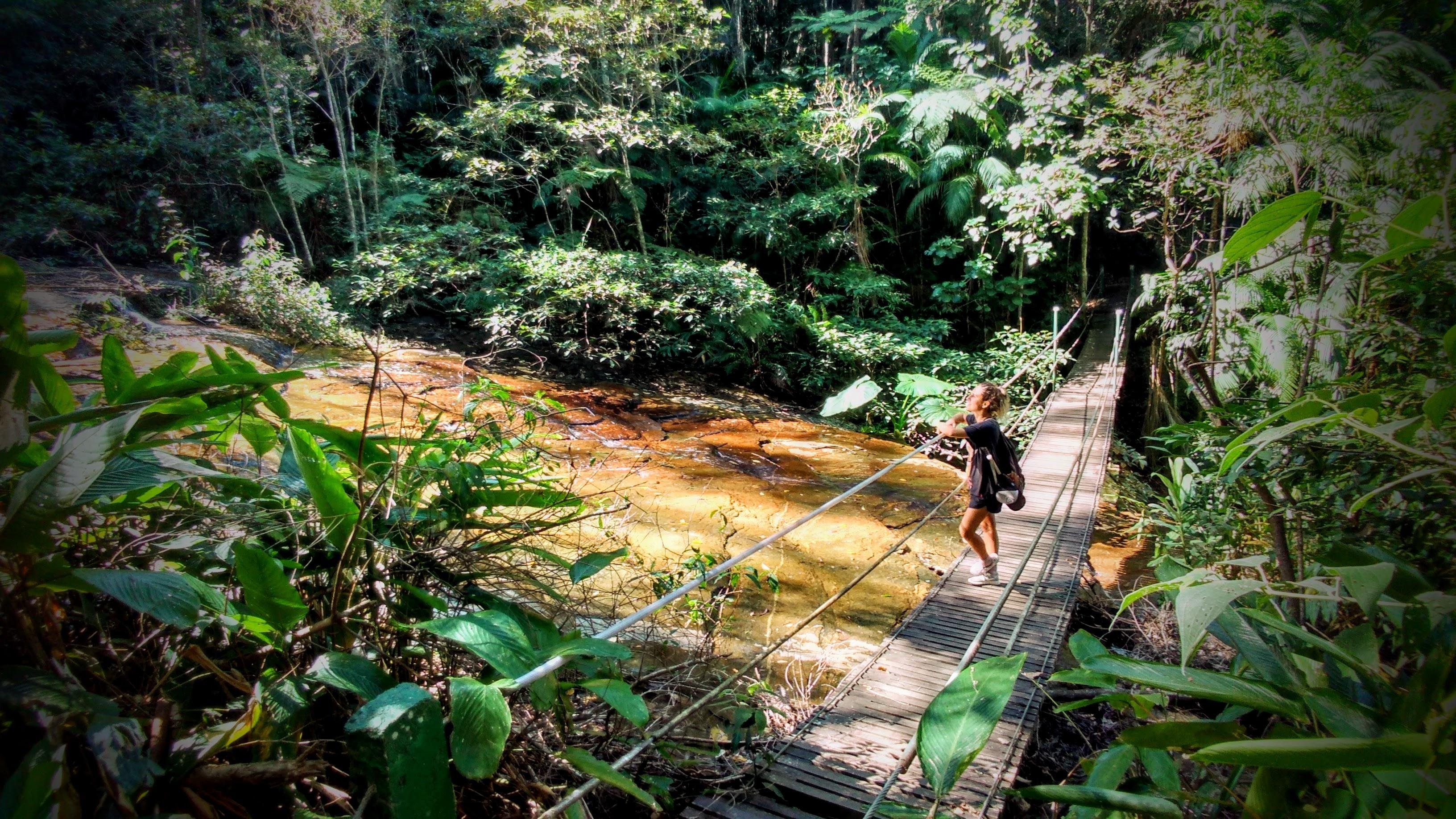
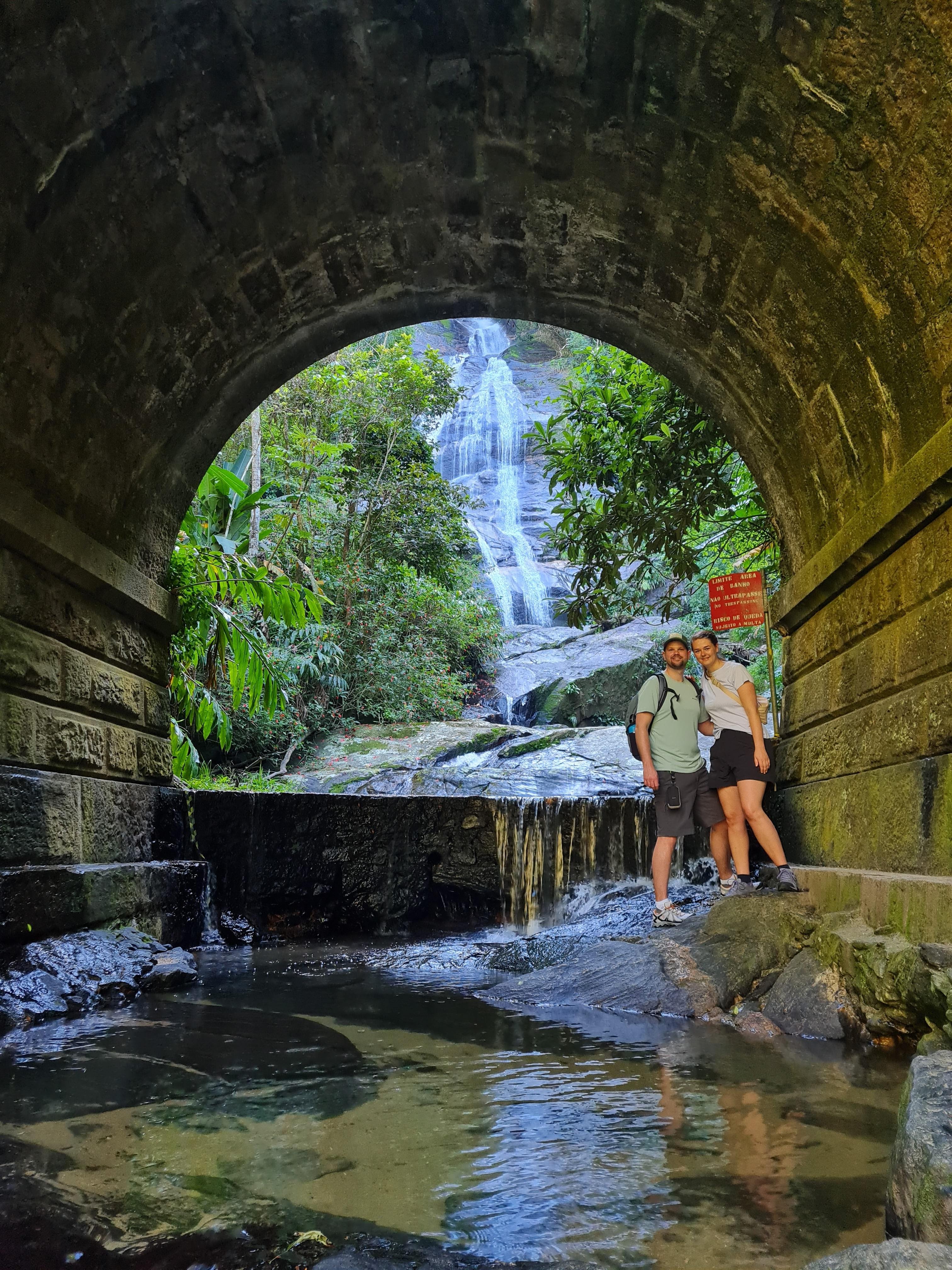
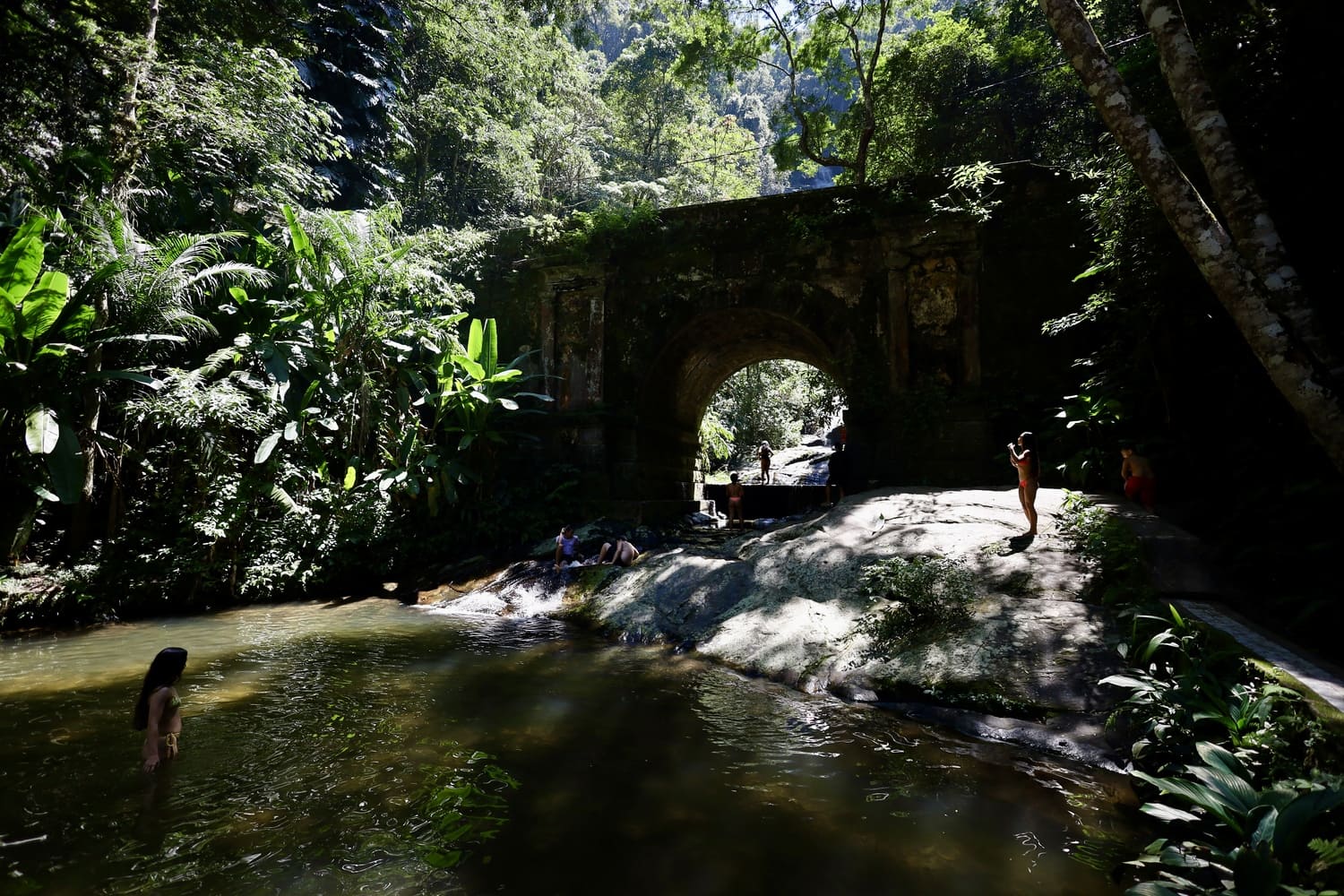
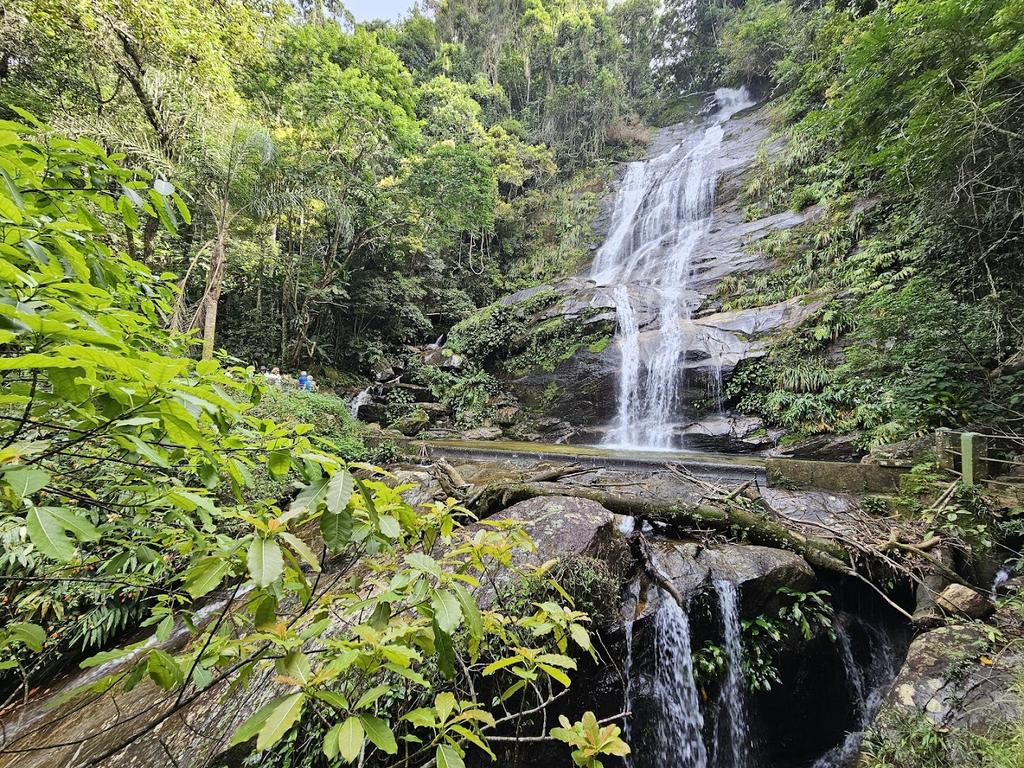
Cascatinha Taunay comes first — roughly 30 metres of water over dark granite, close enough that the spray reaches the viewing rail. From there the trail narrows. You climb through jackfruit and cecropia, stopping where the ground opens into old stone culverts. Depending on which tour you have chosen, the route bends toward the caves — Gruta Paulo e Virgínia, low-ceilinged and cold — or pushes on for the peak ascent, ending with 118 carved steps and a chain rail to the summit of Pico da Tijuca at 1,021 metres. On the 4x4 option, a vehicle carries you between the higher trailheads instead.
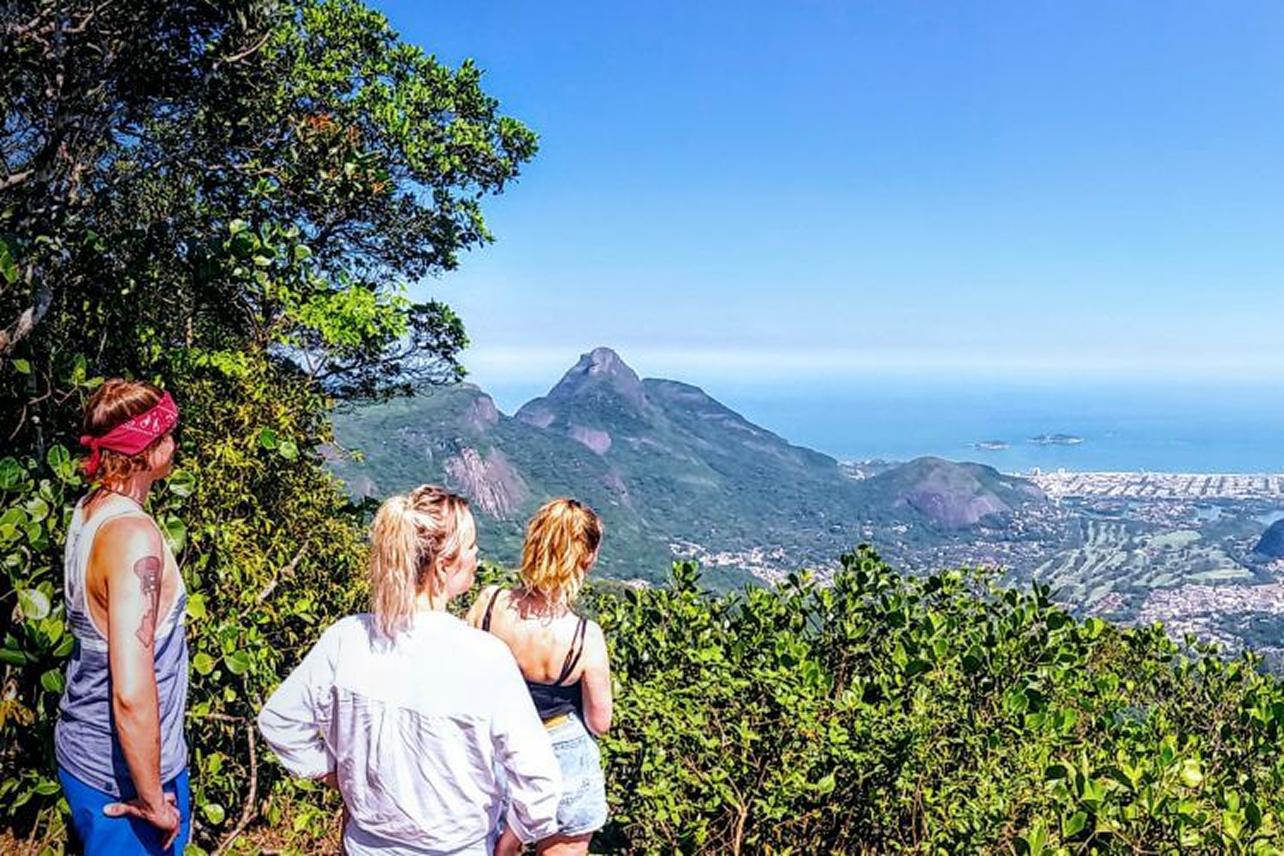
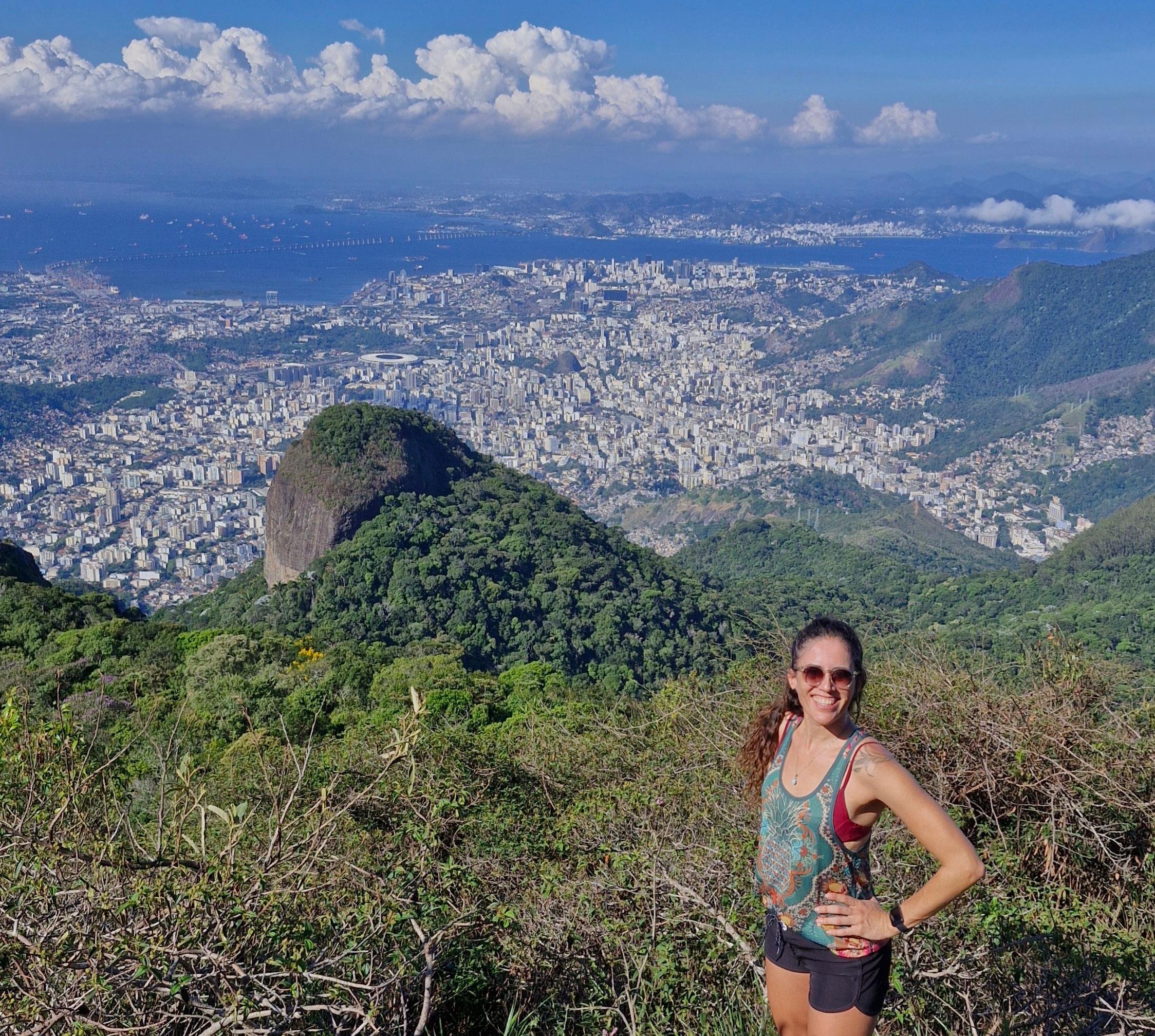
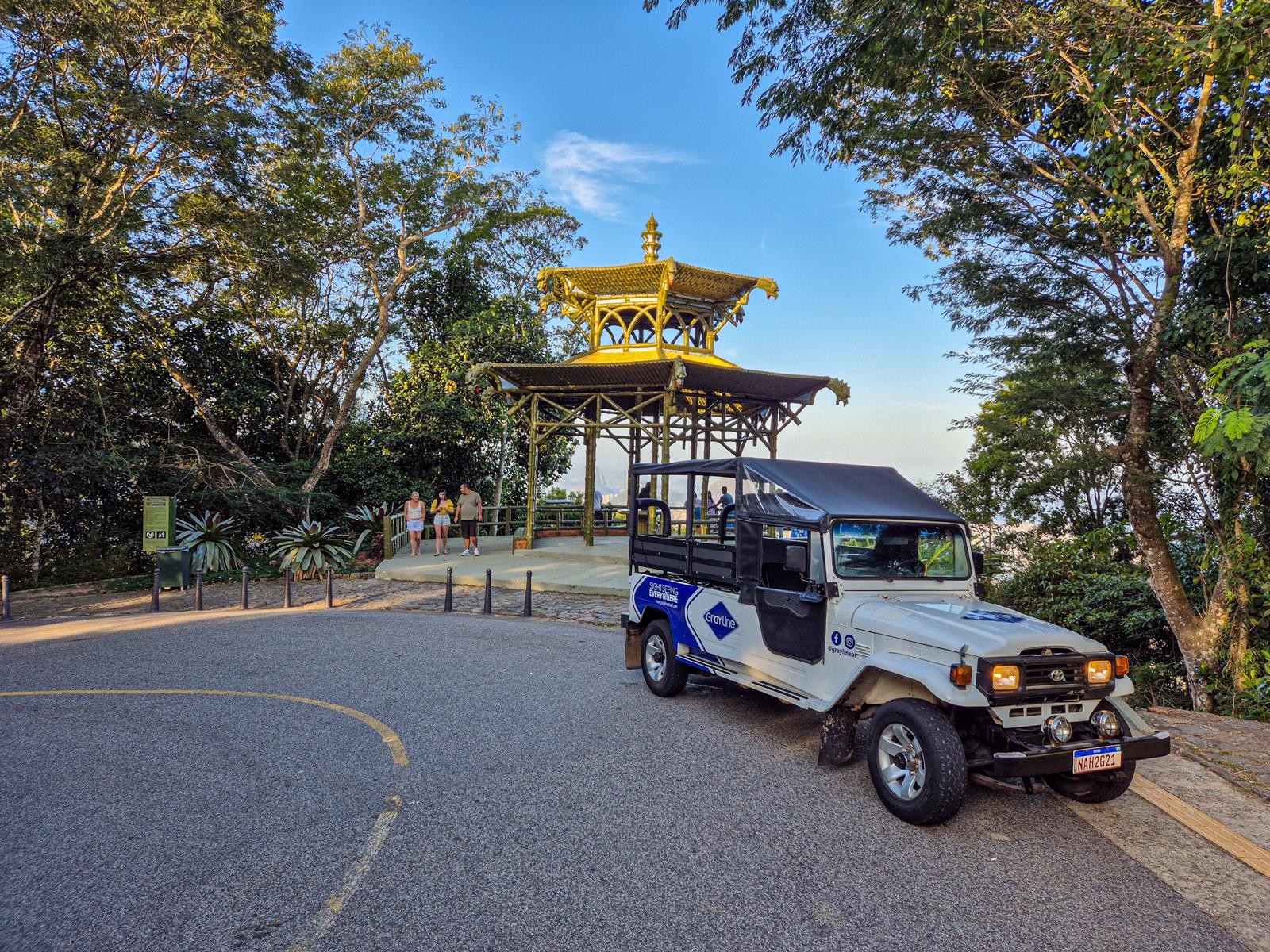
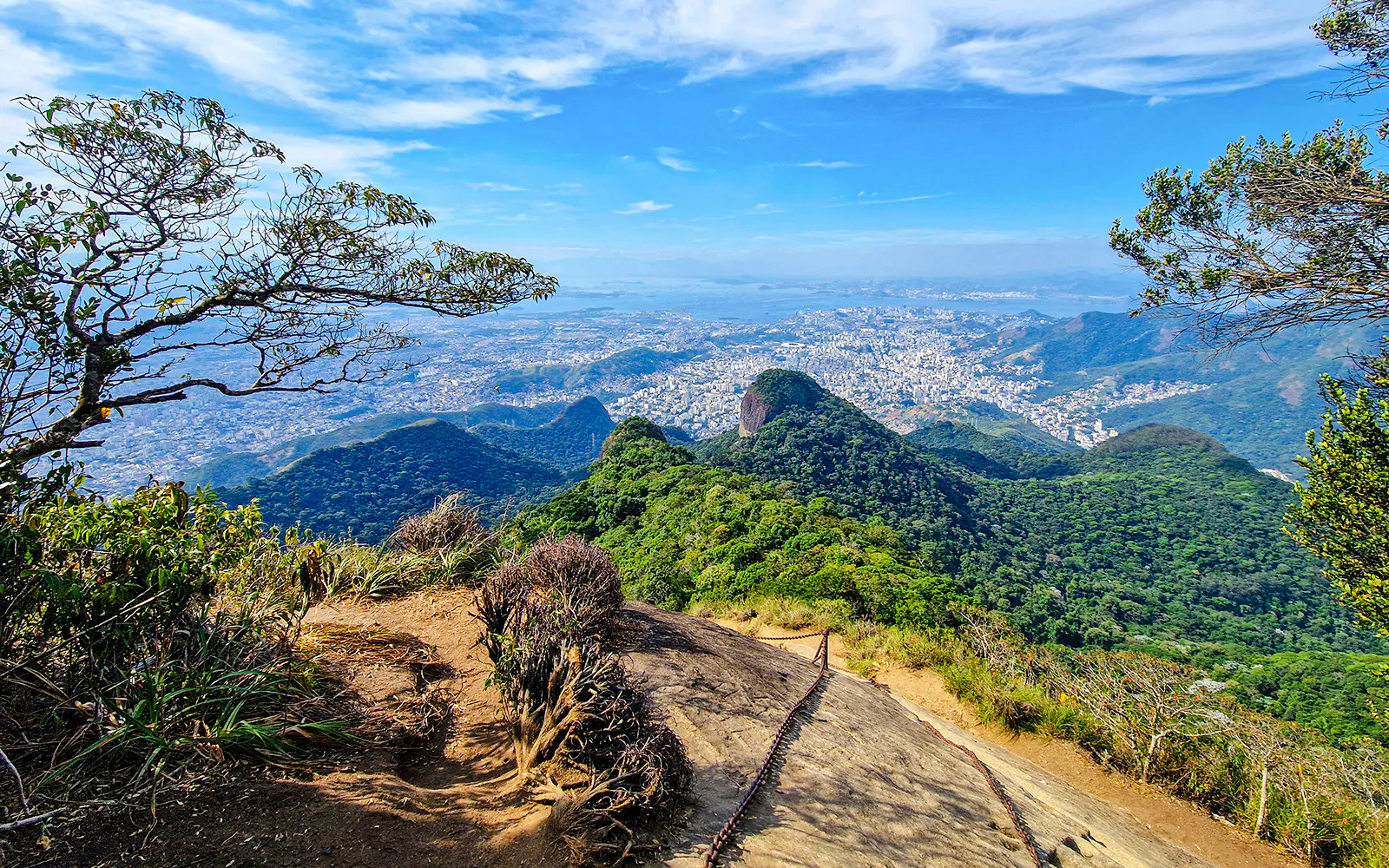
You pause at the Chinese View belvedere. Below, Lagoa Rodrigo de Freitas and Ipanema flatten into a grid; behind you, the forest resumes. Coatis work the edges of the picnic clearings. Guides on a tijuca forest hike tour usually turn the group back well before the 17:00 closing, descending past the Mayrink Chapel. You leave with mud on your calves and the city noise returning slowly.
All the details about your upcoming adventure in one place
The forest that shades Rio de Janeiro was planted by hand. By the 1850s, coffee plantations had stripped the Tijuca massif so thoroughly that the city's water supply began to fail. Emperor Dom Pedro II ordered the slopes replanted.
Major Manuel Gomes Archer and a small crew — six enslaved men among them — set roughly 100,000 seedlings into the ruined ground between 1861 and 1874. What grew back is now counted among the largest urban forests on the planet, and a Tijuca Forest Hike Tour moves through terrain that is, botanically speaking, a nineteenth-century restoration project still under way.
The replanting was not purely native. Archer and his successor, Baron d'Escragnolle, mixed Atlantic Forest species with jackfruit, bamboo and other imports, which is why the understorey today carries both endemic bromeliads and stubborn foreign colonists that park biologists still manage. The Mata Atlântica biome itself is severely reduced — less than a tenth of its original extent survives — making the 3,953 hectares of Tijuca National Park a working laboratory for regeneration. The park was federally decreed in 1961 and folded into UNESCO's Rio de Janeiro: Carioca Landscapes World Heritage designation in 2012.
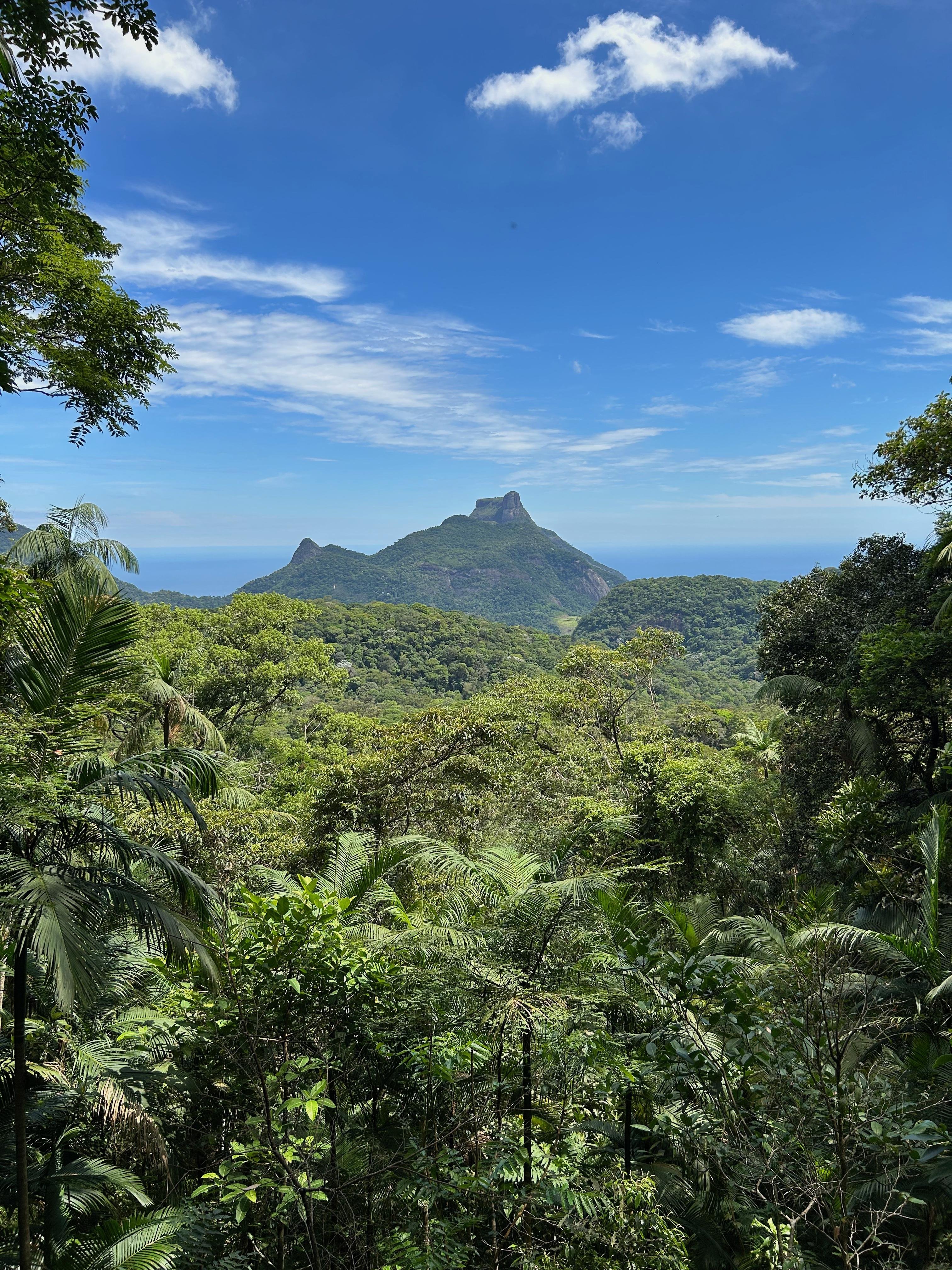
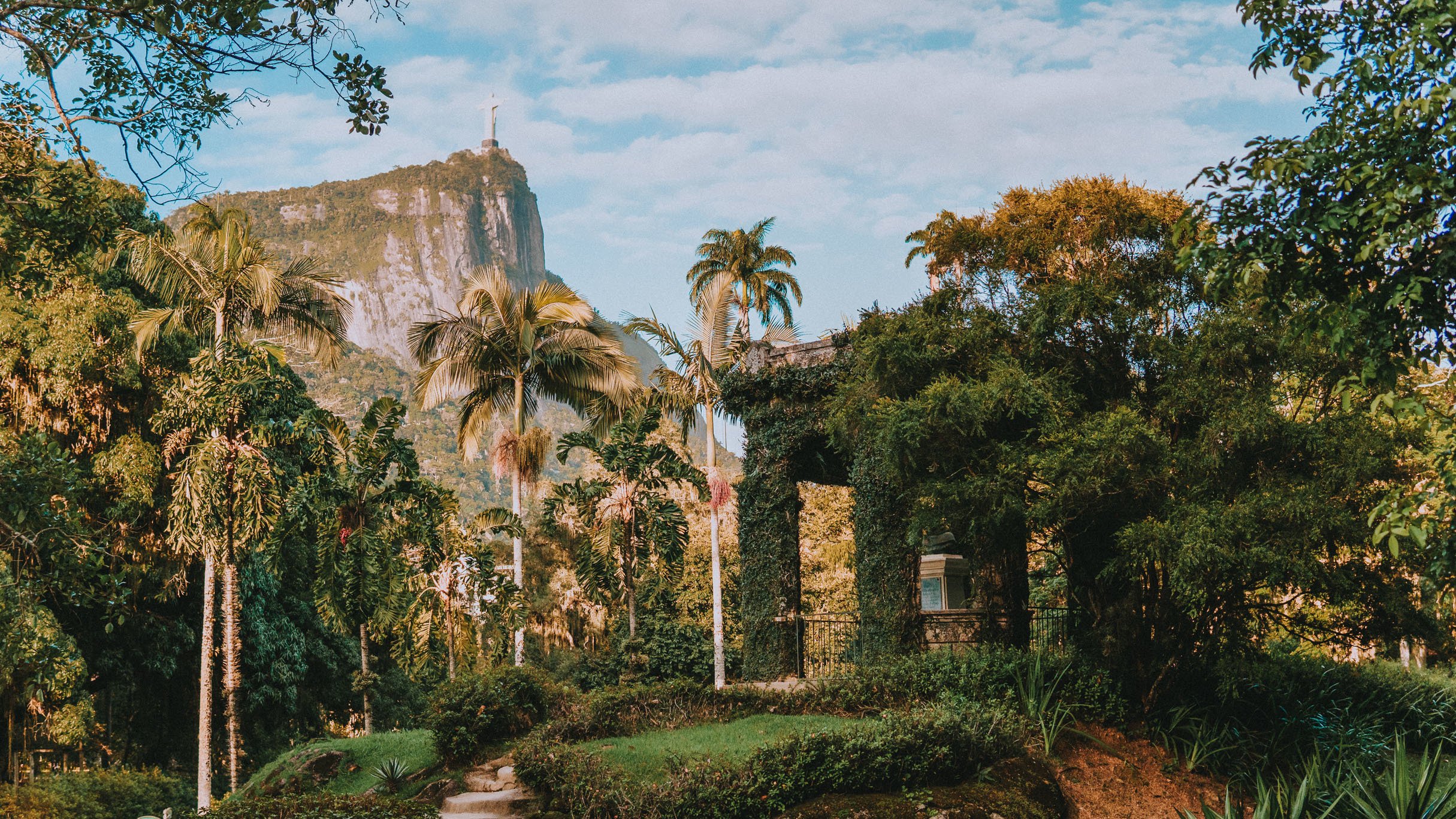
The topography does the rest. Pico da Tijuca rises to 1,021 metres, the highest point in the massif, reached by a granite staircase of 118 steps cut into the summit block. Below it, Cascatinha Taunay drops some 30 metres near the Alto da Boa Vista entrance, the first landmark most walkers meet. Nineteenth-century romanticism left its marks throughout: the Mayrink Chapel with its Cândido Portinari panels, the Chinese View belvedere, the ruins of Major Archer's own house. Wildlife returned with the canopy — brown howler monkeys, capuchins, toucans, coatis, and the reintroduced red-handed tamarin.
That layered history is what separates a Rio de Janeiro rainforest hiking tour here from a simple walk in the woods. Trails follow old carriage roads and aqueduct lines as often as natural contours. Water still matters: the streams the emperor was trying to protect feed the same catchment. Guided trilhas na Floresta da Tijuca read the terrain as document — plantation terraces under the leaf litter, stone culverts, charcoal pits. A Tijuca Forest Hike Tour is, in that sense, an exercise in reading a landscape that was destroyed, rebuilt, and is still being argued over by ecologists 165 years later.

A forest planted by decree, now old enough to hide the ruins of the men who planted it.
Wear breathable, moisture-wicking athletic clothing suitable for a tropical rainforest environment. Sturdy, closed-toe hiking boots with good grip are essential for navigating uneven trails on a tijuca forest hike tour.
Keep your belongings in a lightweight, comfortable daypack while participating in your tijuca forest hike tour. Avoid carrying valuables, as there are no secure lockers at the trailheads.
Photography is permitted throughout the Tijuca National Park for personal use. Respect wildlife by avoiding flash photography during your tijuca forest hike tour.
Children are welcome on designated trails that match their fitness levels. Ensure younger participants remain supervised at all times during the tijuca forest hike tour.
The terrain in the forest is rugged and steep, making it challenging for visitors with limited mobility. Please discuss specific trail difficulty with your guide before booking a tijuca forest hike tour.
Carry at least 2 liters of water per person and high-energy snacks. Dispose of all waste in designated bins or carry it out to preserve the forest ecosystem.
Opening Hours
08:00–17:00
Address
Estrada da Cascatinha, 850, Alto da Boa Vista, Rio de Janeiro - RJ, 20531-590, Brazil
Accessibility
Trails vary significantly in terrain and slope
Best arrival window
08:00–10:00
Storage
No secure luggage facilities available on-site
Location
Tijuca National Park sector
Taxi · 45-60 min · Variable
The most direct way to reach the entrance from city hotels. Advise the driver to take you to the main gate at Estrada da Cascatinha.
Public transport · 90 min · Low
Available to the Alto da Boa Vista neighborhood, followed by a short walk or local transport connection to the gate.
Full refunds are provided for cancellations made at least 24 hours before the scheduled tijuca forest hike tour. As the park entrance is 0 BRL, conservation fees related to guided services are handled per your specific operator agreement.
Recommended time
4-5 hours
A comprehensive tijuca forest hike tour typically requires a half-day commitment to explore the expansive trail network and diverse vegetation. Following the best arrival window of 08:00–10:00 ensures you navigate the rainforest paths before peak congestion occurs. Those opting for advanced Rio de Janeiro nature tours should budget extra time for steep elevation changes, while casual walkers might prefer shorter excursions that avoid afternoon transit delays. Please note that while general park entry is free, visitors often seek dedicated tijuca forest hike tour tickets for guided transport or expert-led navigation through the lush canopy.
Crowd levels through the day
Weather · crowds · average price — dots go green to amber to red as each metric rises.
Mild temperatures and blooming flora make this ideal for long-distance treks. September to November offers steady weather.
Expect high humidity and frequent afternoon rain showers. Begin early to avoid the peak heat of the day.
The forest remains lush and vibrant with comfortable hiking temperatures. A preferred season for photography enthusiasts.
Dryer conditions reduce the risk of muddy trails. June to August are the coolest months for a tijuca forest hike tour.
Walk quietly and observe from a distance to spot toucans and monkeys. Early morning is the best time for sightings.
Select a trail that aligns with your fitness level for a safe tijuca forest hike tour. Consult your guide for recent trail condition updates.
The humidity is deceptively high even in cooler months. Drink water frequently throughout the trek.
Always pack a light, foldable poncho in your bag. Weather in the mountains can change rapidly.
Ensure your shoes are broken-in before your trip to prevent blisters. Proper ankle support is recommended for steep sections.
The forest that visitors walk today is not old growth. It is a deliberate act of repair. In the eighteenth and early nineteenth centuries, coffee and sugar plantations stripped the Tijuca massif, and Rio's water supply faltered as the springs feeding the city dried. In 1861, Emperor Dom Pedro II ordered the land expropriated and replanted. Major Manuel Gomes Archer took charge, working with a handful of enslaved labourers — Constantino, Eleutério, Manuel, Mateus, Leopoldo and Maria — who set roughly 100,000 seedlings between 1862 and 1874. Any tijuca forest hike tour crosses ground that was farmland within living memory of the Empire. The second phase belongs to Baron d'Escragnolle, who took over in 1874 and shaped the replanted slopes into a landscape park. He laid carriage roads, built belvederes, and commissioned the Chinese View pavilion and the Mayrink Chapel surrounds. The Cascatinha Taunay waterfall, painted by Nicolas-Antoine Taunay decades earlier, became the entrance point it remains today — the park gate still stands at Estrada da Cascatinha, 850, Alto da Boa Vista. Pico da Tijuca, at 1,021 metres, was fitted with carved stone steps to its summit. Protection came late. Federal decree created the Tijuca National Park in 1961, merging the Floresta da Tijuca, the Serra da Carioca and the Corcovado grounds; the boundaries were consolidated in 1967. UNESCO added the massif to the Rio de Janeiro Carioca Landscapes listing in 2012. Reintroduction programmes have since returned howler monkeys and agoutis to trails once farmed bare. Guided Rio de Janeiro landmarks walks and tijuca forest hike tour tours now move through Atlantic Forest that scientists still describe as an experiment in ecological restoration. Every tijuca forest hike tour tour departs from that inheritance, and tijuca forest hike tour tickets buy access to the outcome of a nineteenth-century decision rather than to untouched wilderness.
Coffee and sugar estates clear the Tijuca massif, damaging the springs that supplied Rio's drinking water.
Dom Pedro II orders the expropriation of the ruined plantations and the replanting of the massif.
Major Manuel Gomes Archer and six named labourers, among them Constantino and Maria, plant roughly 100,000 seedlings.
Baron d'Escragnolle converts the young forest into a landscape park with carriage roads, belvederes and the Chinese View pavilion.
A federal decree establishes Tijuca National Park, uniting the Floresta da Tijuca, Serra da Carioca and Corcovado sectors.
The park's boundaries and management structure are consolidated under revised federal decree.
UNESCO inscribes the massif within the Rio de Janeiro: Carioca Landscapes World Heritage listing.
Reintroduction projects return howler monkeys, agoutis and other native fauna to the restored Atlantic Forest.
Position your camera at the wooden railing overlooking the falls to capture the tiered water descent through the dense Atlantic Forest canopy. A slow shutter speed helps blur the water movement against the mossy rock face.
This pavilion offers a wide-angle perspective of Rio de Janeiro, including the Christ the Redeemer statue and the coastline. Standing on the structure provides a stable platform for panoramic shots during your tijuca forest hike tour.
The bright pink facade of this historic chapel creates a sharp contrast against the deep green foliage of the surrounding trees. Frame the shot from the front path to include the ornate doorway architecture.
From the highest point of the park, photographers can capture 360-degree views of the city and Guanabara Bay. Ensure your gear is secure for the final stone staircase climb where you can purchase tijuca forest hike tour tickets in advance for guided access.
Exploring the Atlantic Forest with your children is a rewarding way to experience the natural beauty of Rio de Janeiro. A tijuca forest hike tour provides a structured, safe, and educational introduction to one of the largest urban rainforests in the world.
Strollers are not practical on the majority of the forest trails due to uneven terrain and natural pathways. We strongly recommend using a comfortable baby carrier to keep your hands free and your little ones secure during your walk.
Families with active school-aged children will appreciate the shorter, well-marked paths such as the paved route to Cascatinha Taunay. Toddlers can enjoy the experience if carried, though the rugged nature of the forest makes this a better choice for those who are steady on their feet.
While the park offers a visitor center, dedicated baby-change facilities are limited throughout the trails. Plan to bring a well-stocked diaper bag and perform any necessary care before heading into the deeper forest sections.
Choosing a private tijuca forest hike tour allows you to set a pace that accommodates your family's needs rather than rushing to keep up with a large group. Aim to arrive during the recommended 08:00–10:00 window to enjoy cooler morning temperatures and a more relaxed atmosphere.
Pack plenty of water and easy-to-carry snacks, as there are no consistent dining kiosks on the hiking paths themselves. Bringing your own light food ensures you have energy for your adventure at the address of Estrada da Cascatinha, 850.
The forest trails can become muddy and slippery during or after rainfall, which may make them unsuitable for younger children. If you have already secured your tijuca forest hike tour tickets, check with your provider for their specific wet-weather policy.
Finding refreshments near your tijuca forest hike tour requires planning, as options inside the park are sparse and local dining is concentrated in the Alto da Boa Vista neighborhood. Most visitors choose to bring provisions for their Rio de Janeiro rainforest tour, though a few nearby establishments offer hearty post-hike meals.
Located near the park entrance, this historic venue serves traditional Brazilian dishes in a refined setting. It provides a comfortable environment for those who have completed their tijuca forest hike tour tours and wish to dine near the lush canopy.
A favorite for locals, this spot offers robust plates and cold drinks perfect after securing your tijuca forest hike tour tickets. It is a casual, no-frills destination for authentic regional flavors.
$
Everything you need to know for your journey
The park is open daily from 08:00–17:00. We recommend starting your tijuca forest hike tour during the best arrival window of 08:00–10:00 to avoid crowds.
Yes, the entrance fee for the general park area is 0 BRL. Fees only apply to specific attractions or guided services provided by a booked tijuca forest hike tour.
The duration varies based on the chosen path, ranging from a few hours to a full-day experience. Please check your specific booking confirmation for your tijuca forest hike tour timeframe.
Bring water, sunscreen, insect repellent, and a rain jacket. Sturdy footwear is essential for every tijuca forest hike tour.
While most trails are open to all ages, participants should be physically fit for rugged terrain. Children should be accompanied on every tijuca forest hike tour.
Due to the steep, natural forest paths, most trails are not suitable for wheelchair access. Always verify accessibility needs before booking your tijuca forest hike tour.
You can reach the entrance via taxi or local transport to Alto da Boa Vista. Most visitors prefer a taxi for direct access to the tijuca forest hike tour meeting point.
Photography is permitted, but drones are strictly prohibited in the park. Keep cameras ready for nature shots during your tijuca forest hike tour.
You may cancel your tijuca forest hike tour up to 24 hours in advance for a full refund. As the park entrance is 0 BRL, conservation fees for the tour are processed by your provider.
Yes, many visitors combine their morning visit to the park with afternoon tours of nearby Rio landmarks. Plan your itinerary to make the most of your tijuca forest hike tour.
One of the largest waterfalls in the park, featuring a scenic viewpoint.
A small, pink-painted historic chapel nestled in the heart of the forest.
The primary information hub for park maps and safety updates.
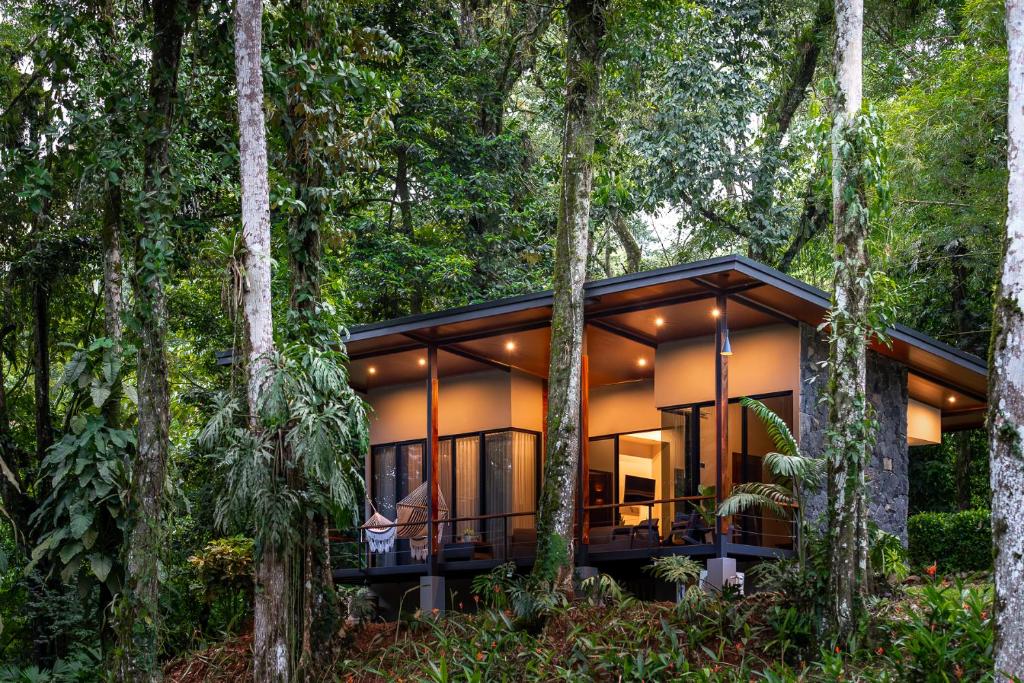
Upscale lodging located near the park entrance.
Cozy accommodations situated in the forest foothills.
A central hub for visitors to access various city landmarks.
Join thousands of happy travelers who have discovered this incredible experience
Book Your Experience Now