

Quick answer
Tijuca National Park carries more than thirty marked paths across four sectors, from twenty-minute paved loops to steep half-day summit climbs on wet granite. Gates open 08:00–17:00 daily and park entry is free, though some individual attractions charge separately. Difficulty here follows gradient and footing rather than distance, so the stated kilometres alone are a poor guide.
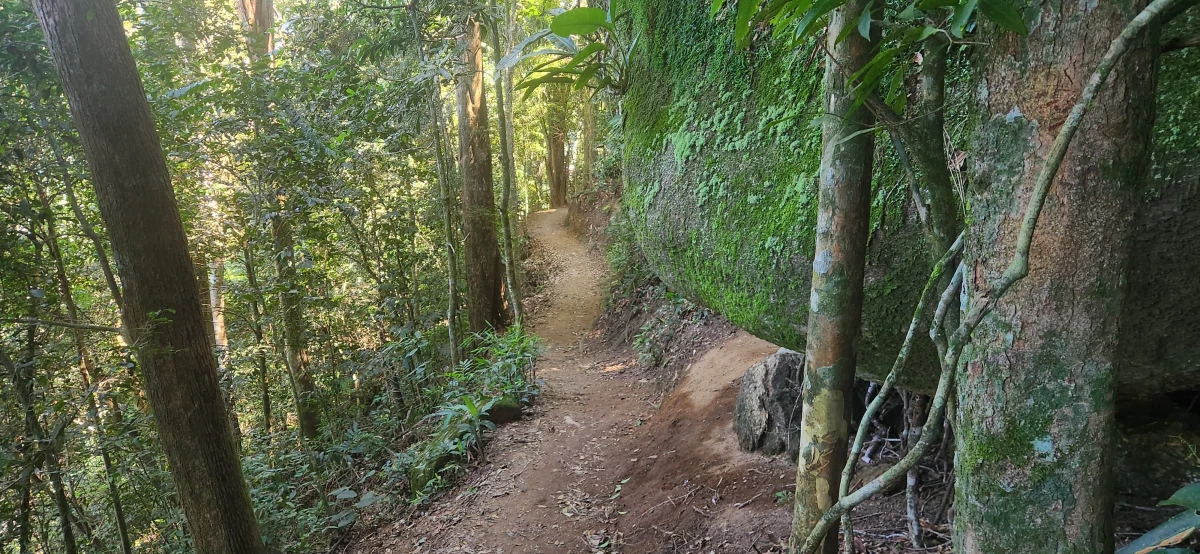
Almost none of this forest is original. Coffee plantations stripped the hillsides in the nineteenth century, and from 1861 Major Manuel Gomes Archer directed a replanting effort that set roughly 100,000 seedlings into exhausted soil. The Tijuca Forest trails walked today thread through that recovery. What resulted is a hand-made stretch of Atlantic Forest, dense enough to shelter howler monkeys, coatis and toucans within earshot of Rio de Janeiro traffic. The reserve counts among the largest urban forests anywhere, and these slopes form part of the Carioca Landscapes between the Mountain and the Sea, listed by UNESCO in 2012. Difficulty in Tijuca National Park is a function of gradient and footing, not length. The Floresta da Tijuca sector, entered at Alto da Boa Vista, carries wide, shaded paths laid on old carriage routes; families manage them in trainers. Higher up, the Serra da Carioca sector turns to root ladders, wet granite and short chained sections where hands do as much work as feet. Two routes can share a stated distance and differ by three hours in practice. Anyone researching Tijuca National Park hiking trails should read the gradient profile before the kilometre count. Weather compounds this. The massif makes its own microclimate, and afternoon cloud can settle over the summits within minutes, turning bare rock greasy and views to grey. Humidity stays high year-round, so water consumption runs well above what the distance suggests. Trail markings vary in quality between sectors, and mobile signal disappears in the deeper valleys, which makes an offline map worth carrying. Licensed guides are widely used on the technical routes and earn their fee on a first visit. Planning follows from that. Most walkers pair one short interpretive loop with a single climb, arriving early enough to be off exposed rock before the cloud builds; the reserve keeps one daily opening pattern, so the real constraint is daylight rather than the calendar. The trilhas da Floresta da Tijuca reward slow walking, since waterfalls, colonial-era chapels and viewpoints arrive at intervals rather than all at once. Read the grade honestly, then choose. Well-matched Tijuca Forest trails leave time for the forest itself, which is the point of coming. Trail choice, not stamina, decides whether a day in the massif ends well.
“Difficulty in this massif is a function of gradient and footing, not length.”
Optimal Arrival Windows for Tijuca Forest Trails
The best arrival window is 08:00–10:00 to avoid mid-day heat and weekend crowds. Arriving early provides cooler temperatures and better wildlife sightings for trail excursions.
Weekday mornings
Minimal—
Quiet paths allow for focused hiking and more frequent animal encounters.
Winter months (June–August)
ModerateCool and dry, 18°C–25°C
Lower humidity makes challenging inclines more manageable for most hikers.
Summer months (December–March)
HighHot and humid, 25°C–35°C
Expect frequent afternoon rain showers and intense heat during peak hours.
Weekend afternoons
High—
Trail congestion increases significantly near popular landmarks and main paths.
Verdict: Tuesday to Thursday, arriving between 08:00 and 10:00 during the cooler months of April or October provides the most favorable conditions.
Daily Opening Hours for Tijuca Forest Trails
Tijuca National Park maintains consistent operating hours throughout the week. The trails are accessible daily to visitors.
| Monday | 08:00–17:00 | |
|---|---|---|
| Tuesday | 08:00–17:00 | |
| Wednesday | 08:00–17:00 | |
| Thursday | 08:00–17:00 | |
| Friday | 08:00–17:00 | |
| Saturday | 08:00–17:00 | |
| Sunday | 08:00–17:00 |
Entrance Fees and Costs for Tijuca Forest Trails
Access to Tijuca National Park is provided at no cost to all visitors. While the trails themselves are free to explore, certain specialized attractions located within the park boundaries may require separate entrance fees.
A typical adult pays 0 BRL for park entry, though specific internal attractions may charge individual fees.
Directions and Access to Tijuca Forest Trails
Tijuca National Park is located in the Alto da Boa Vista district of Rio de Janeiro. The most direct approach for visitors accessing the main forest trails is by private vehicle or taxi to the Estrada da Cascatinha entrance.
Estrada da Cascatinha, 850 to Alto da Boa Vista
Direct drop-off at Estrada da Cascatinha, 850
Line 301 or 302 to Alto da Boa Vista, followed by a walk
Key Trail Paths and Sights Within Tijuca Forest Trails
Tijuca National Park features an extensive network of trails leading to historic monuments, panoramic viewpoints, and natural water features. These paths offer diverse ways to explore the Atlantic Forest ecosystem.
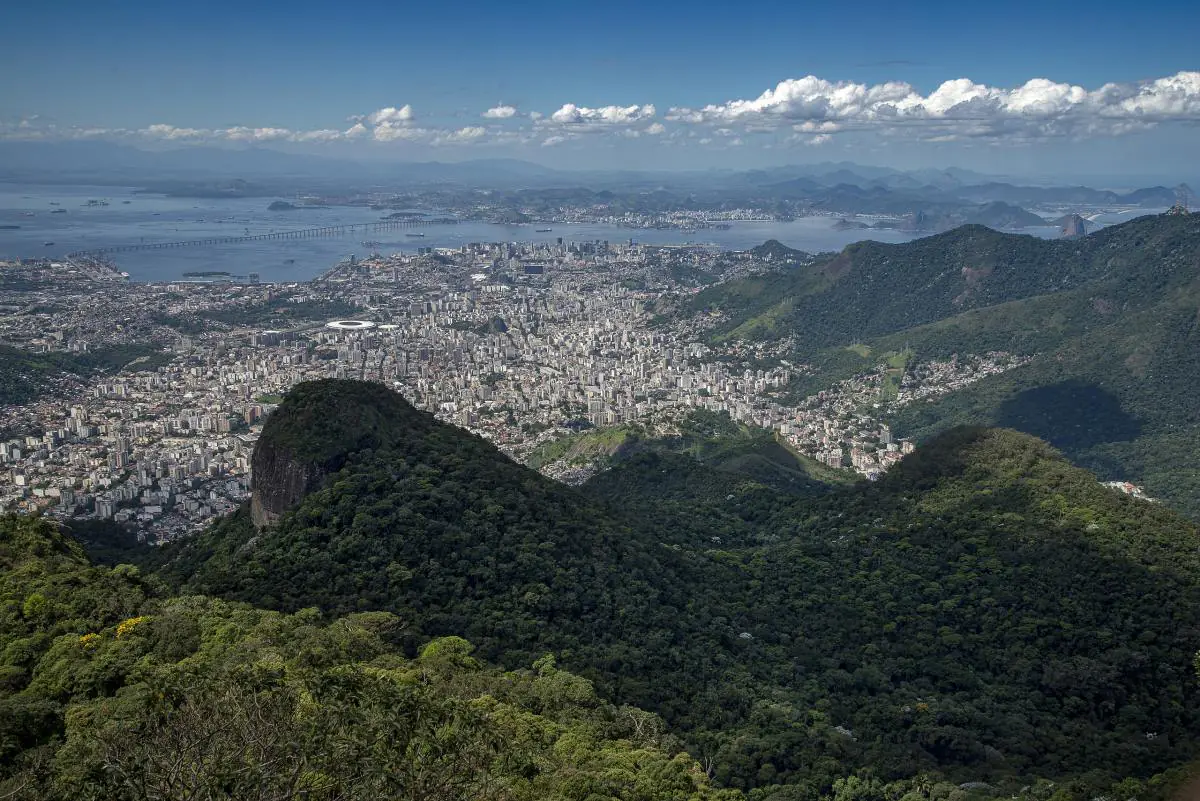
Pico da Tijuca
The highest point in the park offers an expansive view of Rio de Janeiro, including the city, coastline, and surrounding mountains.
Visit early to avoid cloud cover on the summit.
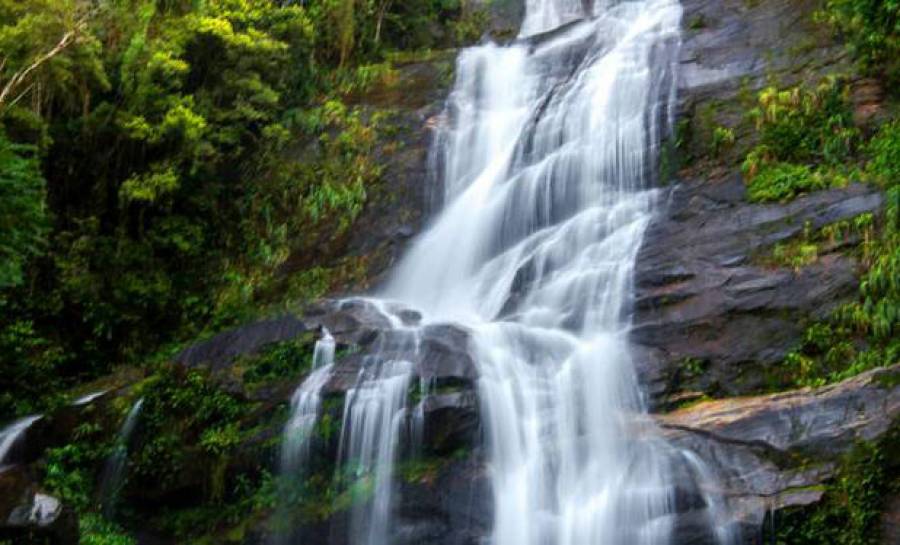
Cascatinha Taunay
This waterfall is one of the most famous sights in the forest, located near the main entrance.
Walk the short trail loop to view from the base.
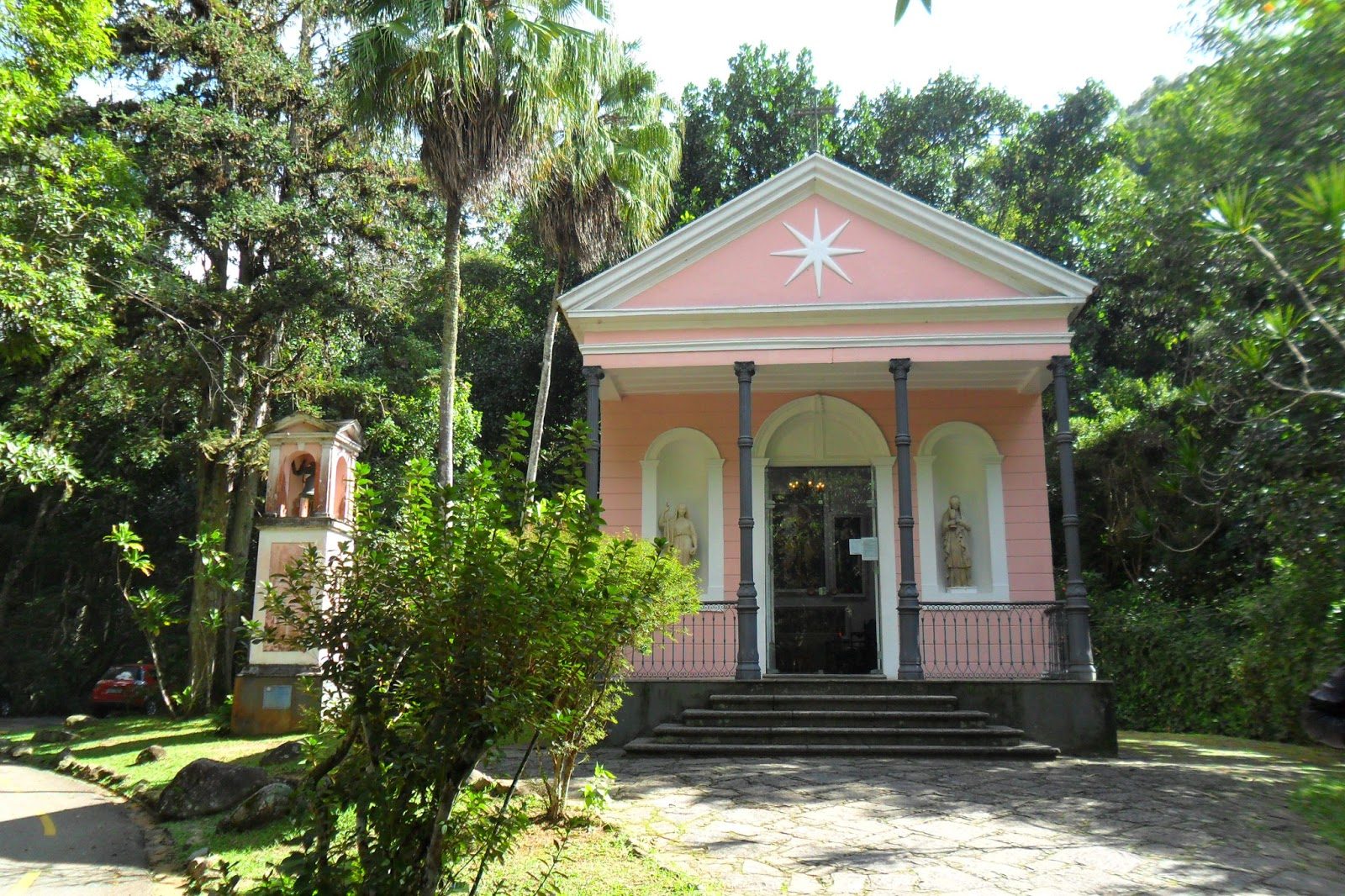
Capela Mayrink
A historic chapel built in 1850 that features distinctive pink walls and religious murals.
Examine the exterior architecture before continuing onto nearby hiking paths.
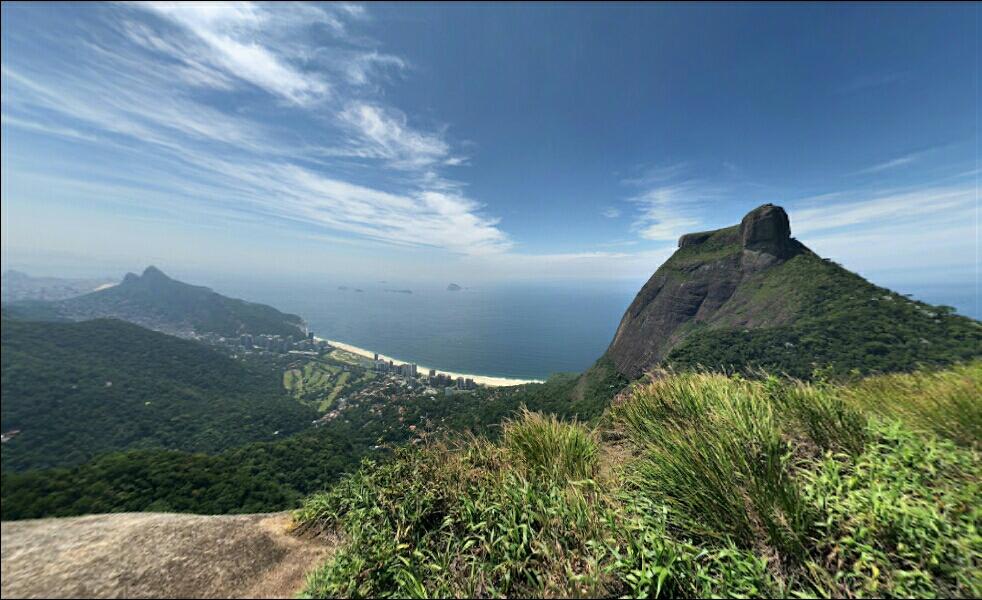
Pedra Bonita
A trail known for its clear vantage point overlooking Pedra da Gávea and the ocean.
Arrive during the early morning for clearer visibility of the coastline.
Safety Mistakes to Avoid on Tijuca Forest Trails
Most trail incidents in Tijuca come down to preventable choices made before anyone sets foot on the path. These are the safety oversights that turn a straightforward forest walk into a rescue call.
Starting a long trail in the afternoon
Begin climbs early, within the 08:00–10:00 arrival window, so you finish well before the 17:00 closing. Descending granite in fading light is where most falls happen.
Hiking in flip-flops or smooth-soled sneakers
Wear closed shoes with a gripping tread. Tijuca's rock slabs and root-crossed trails stay slick for hours after rain, and wet granite offers almost no traction.
Carrying one small bottle of water
Bring at least 1.5 litres per person for a half-day walk. There are no refill points along most trails, and humidity in the forest drives dehydration faster than the temperature suggests.
Setting off alone with no one informed
Tell someone your route and expected return time. Phone signal drops out across much of the park, so nobody will notice a problem unless you have told them what to expect.
Ignoring rain and continuing up exposed rock
Turn back when heavy rain starts. Streams rise quickly, chained rock sections become genuinely dangerous, and trails that were obvious on the way up disappear under runoff.
Leaving the marked path to shortcut or photograph
Stay on signed trails at all times. Off-trail terrain in Tijuca includes unstable slopes and sudden drops hidden by dense vegetation.
Check availability
Frequently asked questions about tijuca forest trails
Everything you need to know about tijuca forest trails